A guide to buying furniture
Run your hand across the options before you spend a dime.
We break down materials, styles, price tiers, and the kind of retailer you are actually buying from — the way a good showroom lets you feel a swatch book before you commit to the sofa.
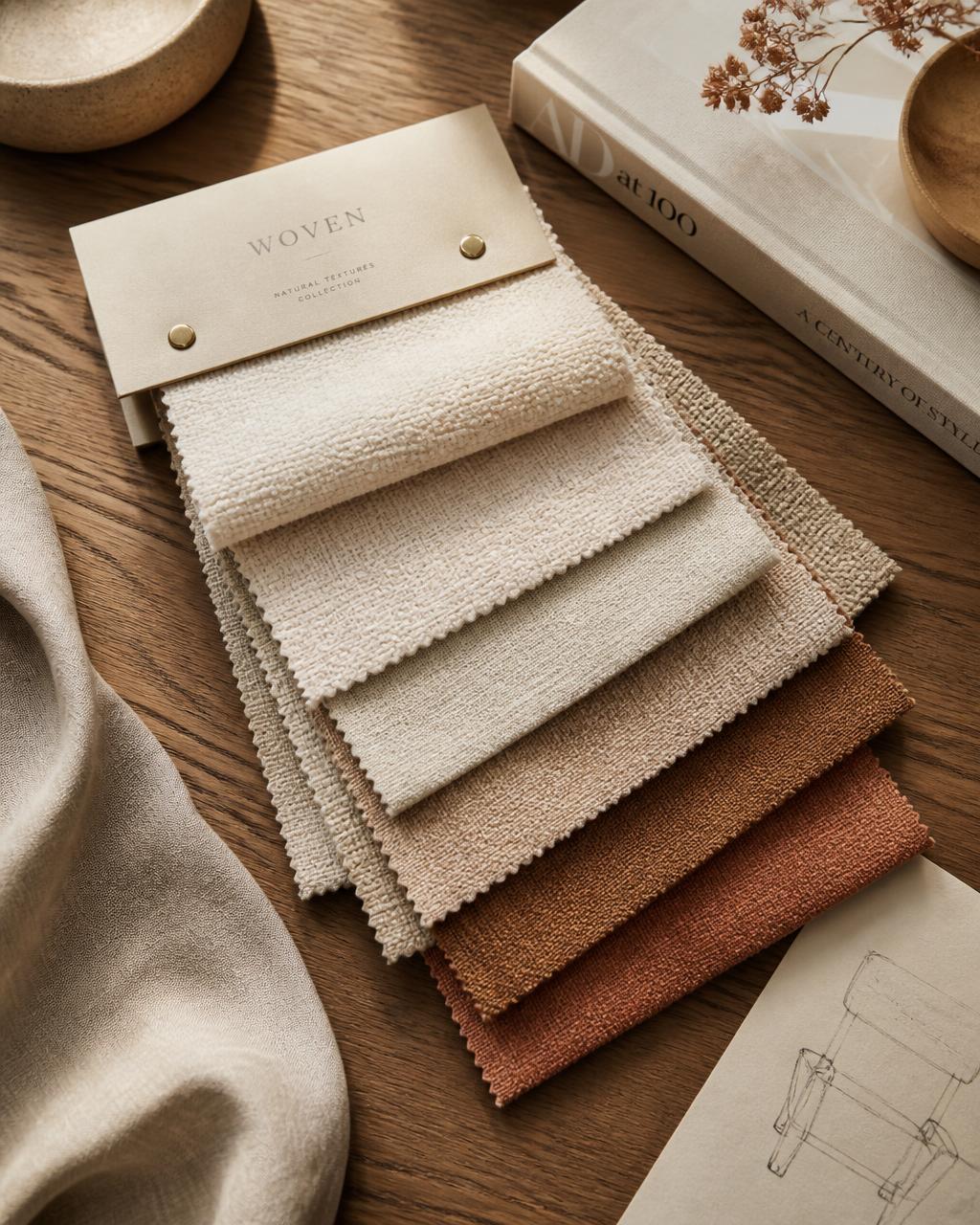
Four ways to begin
Every decision starts with a category. Pick the room, then the style, then the material that survives your life in it.
Sofas & Sectionals
Seating depth, frame, and upholstery decide how a room feels at 9pm. Linen and wool age well; leather asks for less.
Tables & Sets
Solid wood outlasts veneer and takes scratches kindly. Match bench seating to the table's overhang for comfort.
Beds & Nightstands
Low profiles read calm; storage beds save small rooms. Upholstered headboards soften hard walls without paint.
Cases & Shelving
Closed cabinets hide clutter; open shelving must be curated. Look for soft-close hardware and real dado rails.
Criteria we weigh
What a good comparison actually checks
A spec sheet is only useful if it answers the question underneath: will this still look and feel right in three years?
- 01
Material & construction
Kiln-dried hardwood frames, cushion density, and whether the fabric is a performance weave or natural fiber.
- 02
Dimensions & fit
Seat height, depth, and clearance against your floor plan — not just the label size.
- 03
Price vs. tier
Where a piece sits against the market, and what the premium is actually buying.
Price tiers at a glance
Sofa example| Tier | Typical price | What you get | Havertys example |
|---|---|---|---|
| Entry | $800–1,400 | Hardwood solids, stocked fabric | Keaton, Sandy |
| Mid | $1,400–2,800 | Kiln-dried hardwood, leather options | Haven, Hartford |
| Premium | $2,800–5,000 | Customizable, higher-density foam | Gemma, Destinations |
| Boutique | $5,000+ | Built to order, hand-set detail | Specialty makers |